
Walking through the streets of Korea, you will encounter a peculiar sight. Instead of vibrant eye shadows or bold lip colors, many people have a transparent, smooth glow, as if they have just finished washing their faces. Rather than filling their faces like a canvas with colorful makeup, Koreans invest an overwhelming amount of time and effort into skincare and foundational skin maintenance to refine the skin’s natural texture.
As someone who lives within this society, I have felt that this phenomenon is not just a matter of aesthetic preference. It is a deeper story about why we are so sincere about our skin condition, told from the perspective of a neighbor.
1. Proof of Self-Control Beyond Self-Expression 🧩
In Korean society, makeup is less a declaration of bold individuality and more a form of grooming that shows how diligently one has managed their current state. While Western beauty often emphasizes personality through striking colors and contouring, the core of Korean beauty is creating a clean impression that looks well-managed to anyone who sees it.
Here, skincare is no longer just a personal aesthetic choice. It is a social signal proving how strictly one can control and cultivate oneself. In other words, clear skin without blemishes becomes a kind of unspoken report card reflecting a person’s diligence and self-management ability. By showing a perfectly tidy state through the long process of skincare, one provides emotional stability and trust to others.
2. The Safest Default to Reduce Risk ⚖️
There is an implicit rule in Korean beauty standards: do not stand out and instead harmonize with your surroundings. In a culture that values community order, overly bold color makeup can be misunderstood as aggressive or excessively boastful.
Especially in spaces where the evaluation of others is at play—such as interviews, important meetings, or school gatherings—vivid colors become an element that requires an explanation for the choice. On the other hand, a cleanly managed skin base becomes the default—the safest possible choice that needs no separate explanation. This strategy of revealing subtle luxury without causing discomfort to those around you is a result of the unique survival instinct of Koreans trying to minimize social risks.
3. A High-Efficiency Mechanism for Urban Dwellers 🏙️
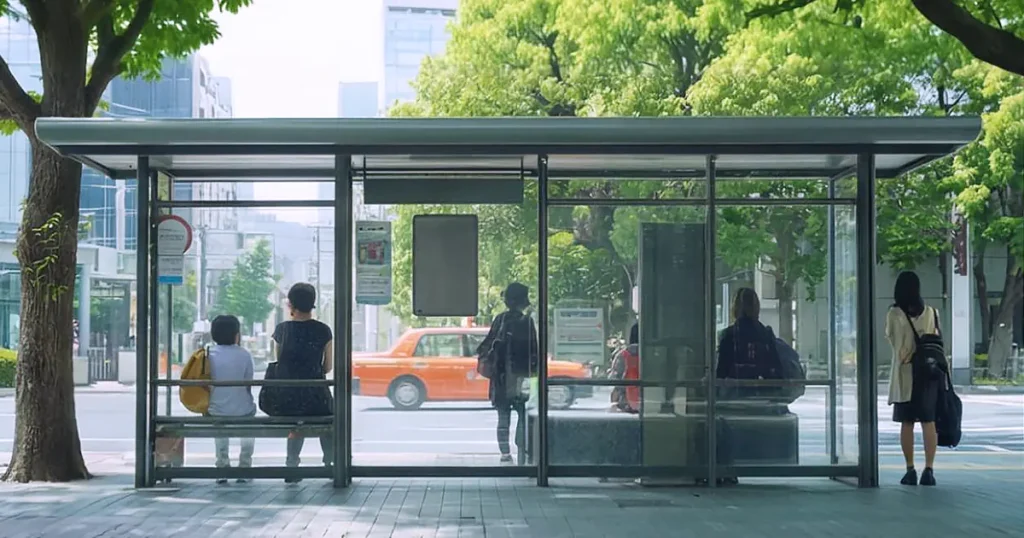
Korea is a densely populated society built around constant in-person interaction. In an environment where daily life unfolds in very close physical proximity to others, heavy color makeup—prone to smudging or breaking down over time—can be inefficient to maintain.

As a result, Koreans have chosen a sustainable and practical aesthetic for everyday life. Instead of dramatic transformations that require constant touch-ups, they focus on daily skincare and basic maintenance to elevate the quality of the base itself. Makeup has evolved into a tool for subtly enhancing an already well-cultivated base. This is a rational choice made by busy modern urbanites who must be prepared for every moment when the eyes of others may fall upon them.
🏁 Conclusion: The Social Comfort of a Stable Appearance
In summary, the reason Koreans obsess over skin itself rather than color is that it is the most socially stable way to exist within the community. It is a rational survival strategy for busy modern urbanites. Choosing harmony over splendor and order over disruption has created this unique skin-centered beauty culture.
The fact that the most natural look is actually the result of the most meticulously calculated management shows how socially engineered Korean beauty standards are. In your culture, what is the purpose of makeup? Perhaps the goal of makeup is not to become beautiful, but to learn how to exist safely within society.