

A few days ago, I was startled while bathing my child. I noticed that my child’s sensitive area was red and swollen. My heart sank at the unfamiliar sight, and seeing my child tearful and frightened made my mind go blank. Worried it might be something serious and unsure where to go, I hurried to the pediatric clinic right in front of our house. In truth, it wasn’t a situation where the child had a fever or was in extreme pain, but a mother’s intuitive anxiety hurried my steps. This experience was more than just a simple pediatric visit; it was a moment where I realized anew how the medical system around us soothes the anxieties of daily life.
Step 1: Meeting a Specialist in 10 Minutes Without an Appointment 🏥
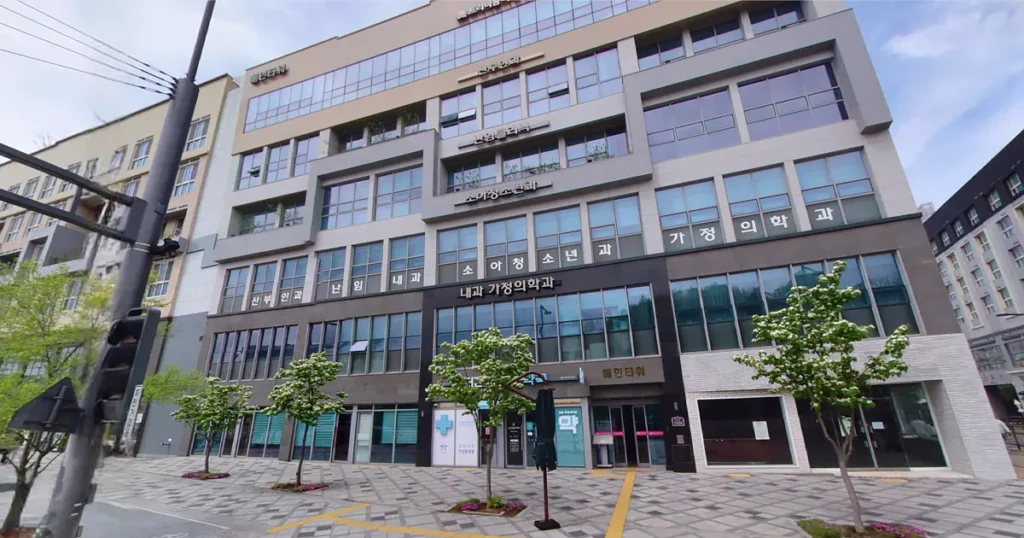
In Korea, if a child seems even slightly off, parents head to the neighborhood clinic in their slippers. During this visit to a neighborhood clinic, I arrived without any prior appointment, yet I was able to see the doctor in less than 10 minutes after checking in.
The doctor skillfully calmed the child, examined the condition, and reassured me by saying it wasn’t anything serious. At that single phrase, the anxiety that threatened to keep me up for nights vanished like melting snow. The strength of the Korean healthcare system doesn’t just lie in its speed. The core is the built-in certainty in daily life that you can be seen by a specialist the moment you feel uneasy.
Step 2: A Reliable National Shield Hidden in a $5 Fee 💸
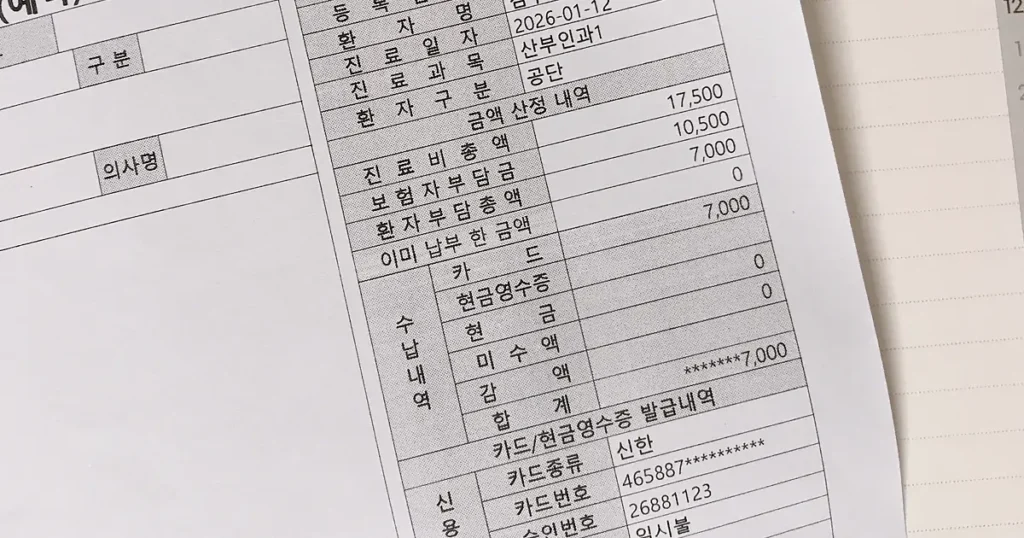
When I stood at the reception desk after the check-up, the receipt I received had some interesting numbers on it. The total cost of the visit was 17,500 KRW, but the amount I actually paid was only 7,000 KRW (approx. $5).
This is because the National Health Insurance Service had already covered the remaining 10,500 KRW—more than 60% of the total cost. For just a little more than the price of a cup of coffee, I was able to purchase both a professional diagnosis and psychological peace of mind within this massive medical safety net operated by the state.
Step 3: The Double Locking Device Called Private Health Insurance 🛡️
It doesn’t end there. Private health insurance, a common supplemental policy held by many Korean households, doesn’t even leave that $5 alone. After visiting the hospital, you simply upload a photo of the receipt through an app, and a portion of the out-of-pocket expense is reimbursed back into your bank account.
Of course, not all medical expenses become $0. Korean private health insurance usually reimburses 70% to 90% of the remaining amount after a minimum deductible (usually around 10,000 KRW). Nevertheless, thanks to this double shield where the state provides a solid foundation and private insurance fills in the details, people in Korea rarely say they are “holding back on going to the doctor” because they are afraid of the bills.
Step 4: When Worry Alone Is Enough to See a Doctor 🩺
Browsing international communities, I often come across stories of friends who are suffering from pain so severe it’s impossible to lead a daily life, yet they endure it with painkillers because of the burden of medical costs and a slow appointment system.
An environment where you can knock on a hospital door simply because you’re worried—even without severe symptoms—creates a virtuous cycle of early detection and treatment. The light steps I took leaving the clinic with the certainty that my child’s swelling would soon subside are the most mundane yet precious gift the Korean medical system gives its citizens.
🏁 Conclusion: The Right Not to Worry About Money When Sick

As I left the clinic with my child, I suddenly thought of that friend I saw on social media. The difference between a life where one must check their bank balance even in the midst of extreme pain and a life where peace of mind can be bought for about $5 was larger than I thought.
It was a day I felt once again that the Korean medical system goes beyond mere efficient service; it operates on a solid foundation of trust that the state is protecting my health.
In the place where you live, how easy is it to choose to see a doctor before things become serious?