
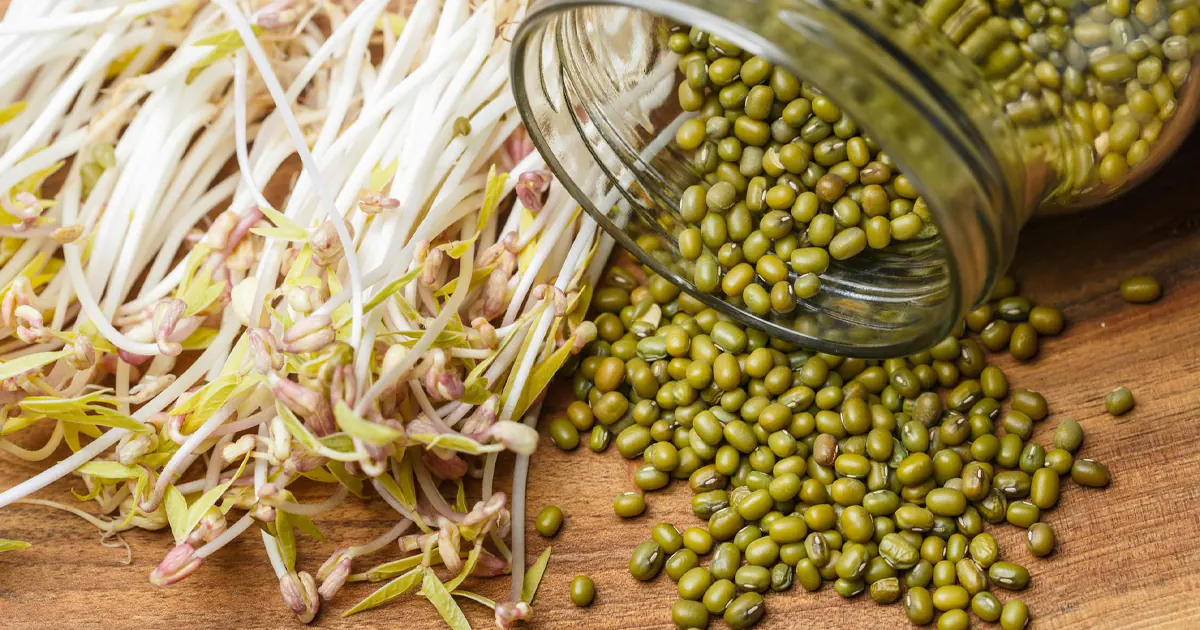
Sukjunamul is an edible sprout grown from mung beans and a constant presence on Korean dining tables. Whether added as a crunchy topping to a bowl of pho or served as a traditional side dish, this humble ingredient carries stories that span political satire, global entrepreneurship, and national resilience. Beneath its simple appearance lies a layered history that mirrors shifts in Korean society over the centuries.
The Origin of the Name: From Bean Vegetable to Sukjunamul 🥬
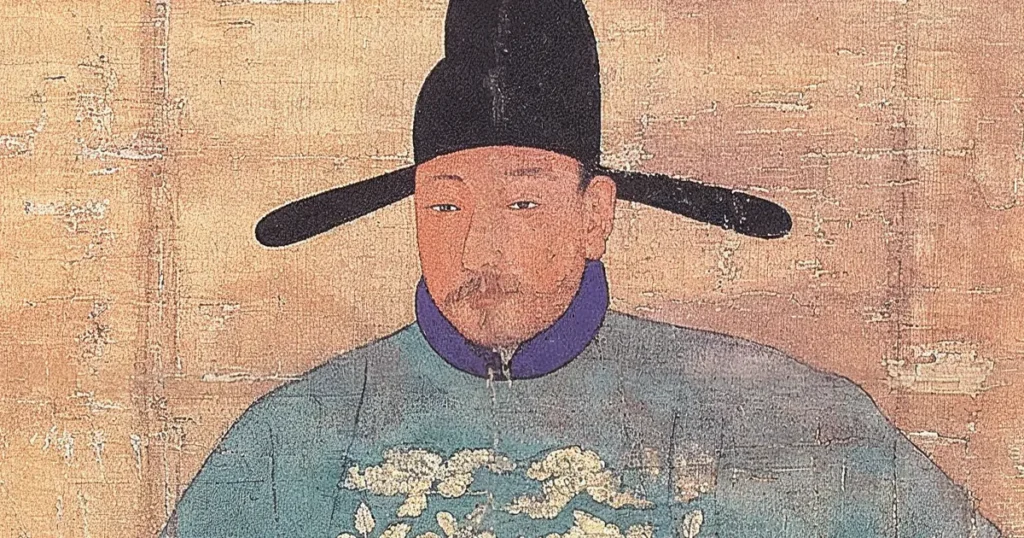
Originally known as Duyachae or simply Nokdunamul, the name Sukjunamul is rooted in a compelling tale from the early Joseon Dynasty. During a period of intense political reorganization, a scholar named Shin Suk-ju chose to align himself with a new regime. This decision drew sharp criticism from those who valued unwavering loyalty. The public began to satirize his perceived change of heart by comparing him to mung bean sprouts, which spoil quickly when left at room temperature. Over time, the satirical nickname is believed to have evolved into what we now call Sukjunamul—a linguistic legacy shaped by political irony that endures to this day.
A Glass Jar Accident as a Turning Point in the American Market 🚛
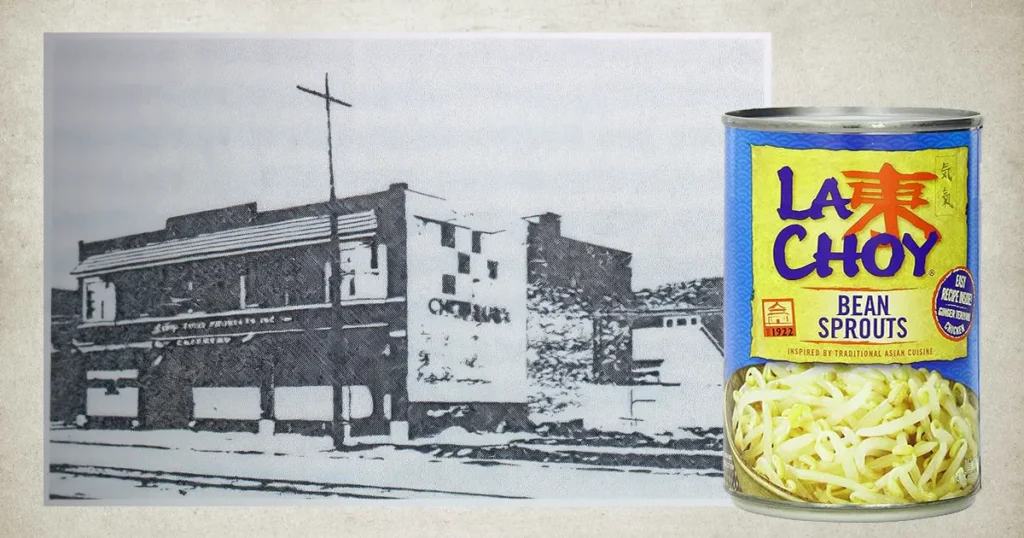
Centuries later, the sprout reappeared on the historical stage in a very different context. In the early 20th century, Dr. New Il-han, founder of Yuhan Corporation, established a food company called La Choy during his time in the United States. He launched a canned mung bean sprout business, but as an unfamiliar ingredient, it struggled to gain traction. The breakthrough came through an unexpected accident: a truck carrying glass jars of sprouts overturned. The sight of the clean, white sprouts spilling onto the street captured the curiosity of passersby. This accidental exposure was even reported in newspapers, generating the public interest that helped La Choy grow into a major success in the American mass market.
From Corporate Success to Supporting the Independence Movement 📜

The commercial success achieved through La Choy was not merely a matter of personal gain. Using the capital generated from the mung bean sprout business, Dr. New Il-han returned to his homeland to found Yuhan Corporation. This was a strategic decision aimed at protecting the health and hygiene of Koreans during the Japanese colonial period.
The economic foundation built on these sprouts eventually became a vital asset in the anti-Japanese struggle. Dr. New supported the independence movement with funds generated through his business, contributing significantly to the groundwork for liberation. It is a remarkable historical irony: a vegetable once used to symbolize political betrayal ultimately became the financial bedrock of a movement to reclaim the nation.
🏁 Conclusion: A Dish Served with a Side of History
What appears to be a simple garnish may, in fact, carry centuries of irony, ambition, and quiet resistance. From the satirical tales of the Joseon Dynasty to its role in global markets and the struggle for liberation, Sukjunamul is far more than a source of flavor; it is a living piece of history. The next time you see these crisp sprouts on your plate, take a moment to appreciate the remarkable journey—and the resilient spirit—they represent.