
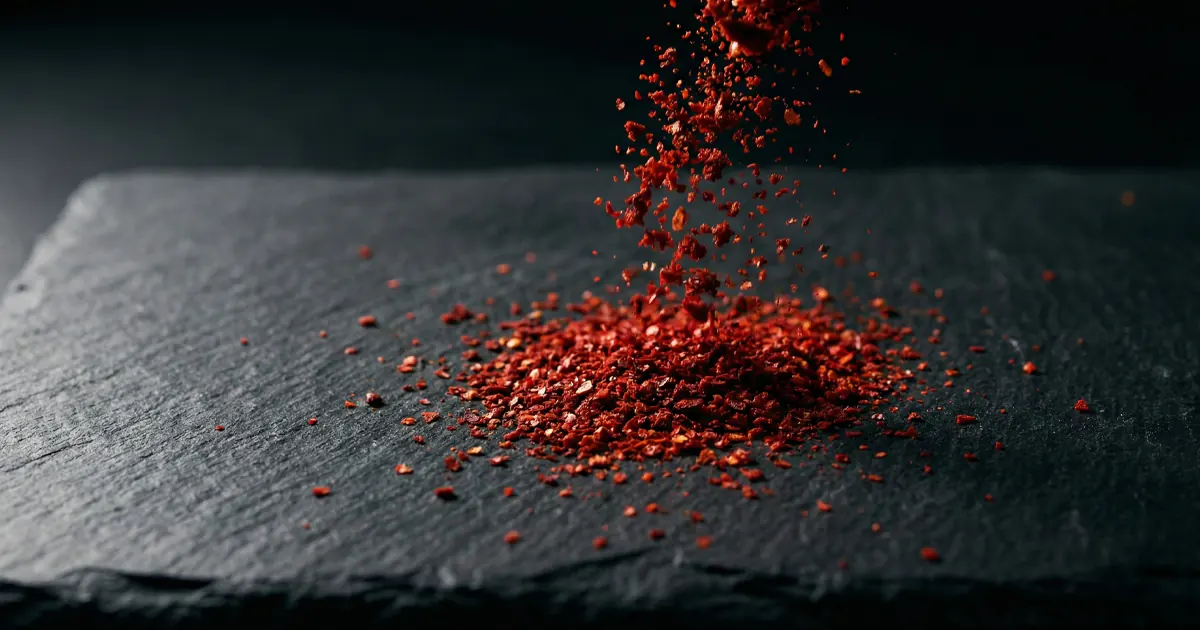
Walking through the streets of Korea or entering a local restaurant, the first thing that strikes your senses is undoubtedly the vibrant, intense shade of red. From Tteokbokki to Kimchi-jjigae, gochugaru (red chili powder) is far more than just a seasoning in the Korean diet; it is the core element that defines the very identity of the cuisine. However, if we look into when this captivating crimson flavor became the protagonist of our tables, we encounter intriguing historical mysteries that challenge what we thought we knew. Today, I explore the secret folklore of gochugaru, a flavor deeply etched into the Korean DNA.
1. Gocho or Gochu? Origins Hidden in the Mist of Language 🌶️
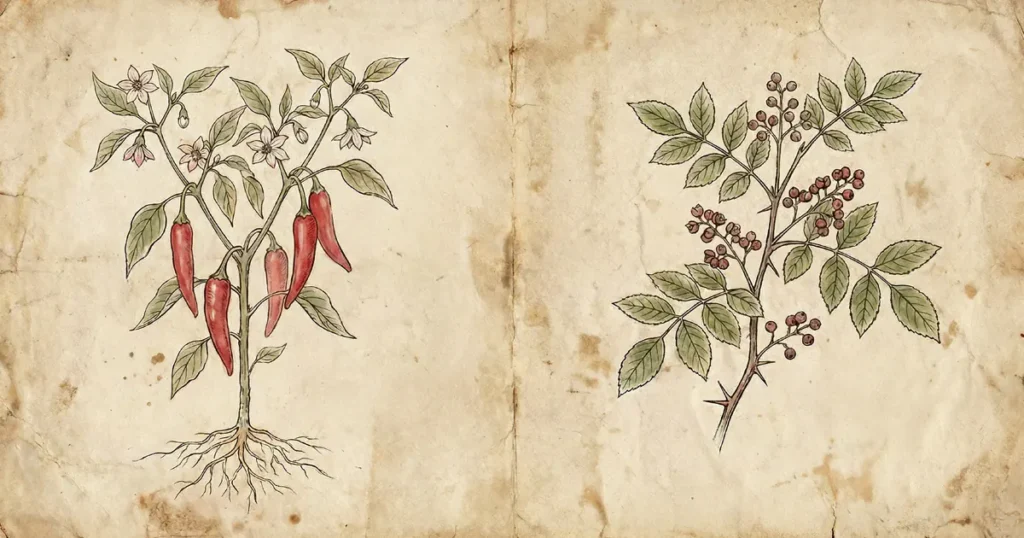
The question of when Koreans first became captivated by the spicy kick of chili peppers remains a subject of heated debate among historians. The most widely accepted theory is that it was introduced via Japanese soldiers during the Imjin War (1592–1598). However, a rising counter-argument suggests that chili peppers may have existed on the Korean Peninsula long before that. Much of this confusion stems from shifts in historical language. Depending on whether the term “Gocho” found in ancient texts refers to today’s “Gochu” or another spicy wild herb like “Sancho” (Korean mountain pepper), the history of Korean chili peppers fluctuates by centuries. This is more than just a search for an ingredient’s origin; it is an archaeological quest for the roots of Korean food culture.
2. A Biological Weapon? Korean Spice Tolerance vs. Nammancho 💣

In Lee Su-gwang’s historical encyclopedia, Ojuyeonmunjangjeonsango, there is a fascinating record regarding Nammancho (Southern Barbarian Pepper). According to the text, Japanese soldiers during the Imjin War used chili peppers to create pungent smoke screens. In modern terms, this could be interpreted as a primitive form of biological warfare. They intended to use the stinging, acrid smoke to blind the Joseon army and break their formations. However, here lies a humorous twist: the story goes that the people of Joseon, already seasoned by powerful spices like garlic, mountain pepper, and black pepper, were largely unfazed by the chili smoke. Whether exaggerated or not, the anecdote itself reveals something important about how deep the roots of the Korean spicy pride really go.
3. Red Kimchi is Only 100 Years Old? 🥬
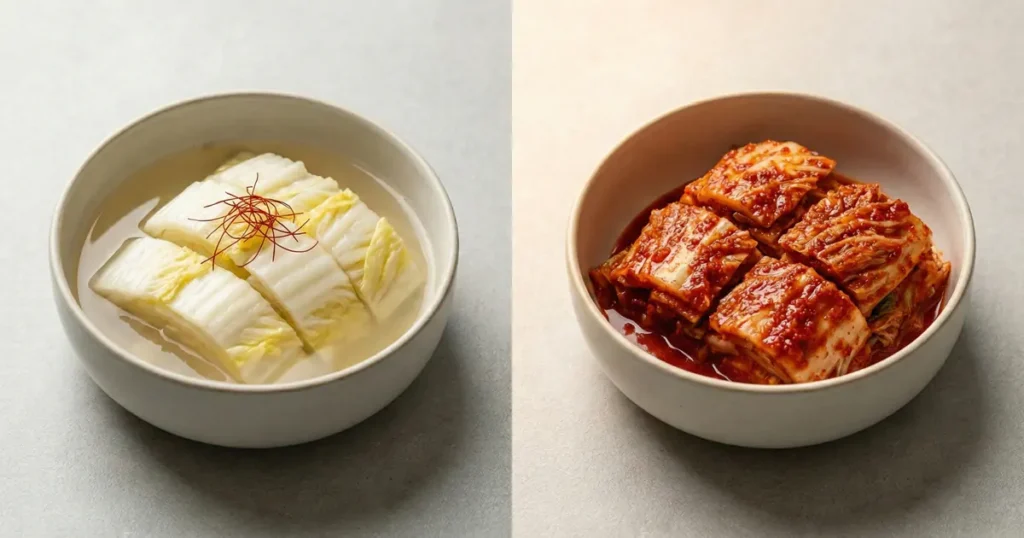
The image of bright red Kimchi that we commonly associate with Korea is actually a relatively recent phenomenon in the context of culinary history. It has been roughly the last century since Kimchi became heavily coated in gochugaru to take on its current signature red hue. Before that, the standard for Korean Kimchi was Baek-kimchi (white kimchi), which had a clear, refreshing broth or was simply garnished with thin threads of dried chili. As gochugaru became popularized and mass-production systems were established, Kimchi finally solidified its red identity both visually and gastronomically. This rapid transformation and settlement serve as a prime example of how quickly and powerfully Koreans adapt to and internalize new cultural experiences.
🏁 Conclusion: A Bond Beyond the Spicy Taste
While the exact date of the chili pepper’s arrival remains a topic of debate, it is undeniable that gochugaru has become the centerpiece of the Korean table. This red powder, perfectly suited for preservation, fermentation, and large-scale cooking, standardized the flavors of daily life through Kimchi, stews, and traditional pastes. It has served as a powerful adhesive that binds the dinner table together. That is why gochugaru is always there on a Korean table. You might not always consciously notice it, but its absence is felt immediately.
This is the first in a series exploring the hidden histories of Korean ingredients.