
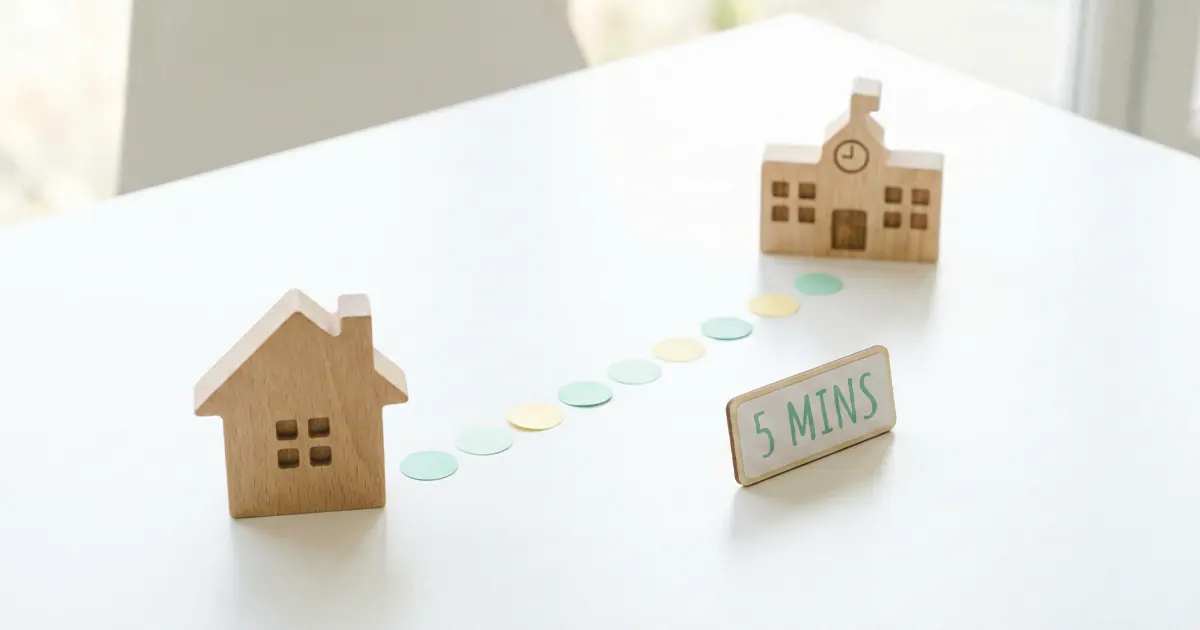
At 8:00 AM, my fourth grader is still buried deep under the covers. Fortunately, school is just a five-minute walk away. I sometimes wonder how parents in New York, London, or Sydney start their mornings. Is it a scene filled with the aroma of freshly toasted bread and a leisurely send-off to the school bus?
In contrast, mornings in Korean cities hum with a very different kind of energy. Through the eyes of a Korean mom, I want to share what a typical day looks like—made possible by living right next to the school, followed by a surprisingly busy routine.
Step 1: Waking up at 8:00 AM — the luxury of a five-minute commute ⏰
Waking my kid is like a daily negotiation. Even when the alarm goes off at 8:00 AM, getting out of bed is a struggle. What keeps me calm, however, is seeing the school building right outside our living room window.
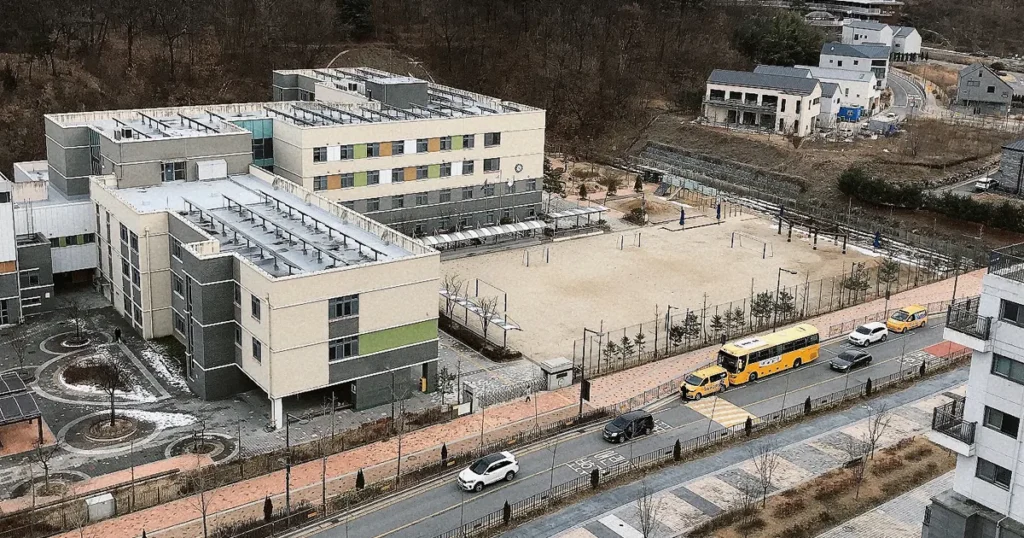
In Korea, many residential areas are designed close to schools, allowing children to commute on foot. This physical proximity—sometimes separated by nothing more than a single wall—gives parents an incredible sense of time security. Even if things go terribly wrong and my child wakes up at 8:40 AM, a quick wash and a short dash are enough to make it to the 9:00 AM first period. In the chaos of weekday mornings, this short commute is the greatest luxury we have.
Step 2: 40 minutes of focus, 10 minutes of rest — the Korean classroom rhythm 📚
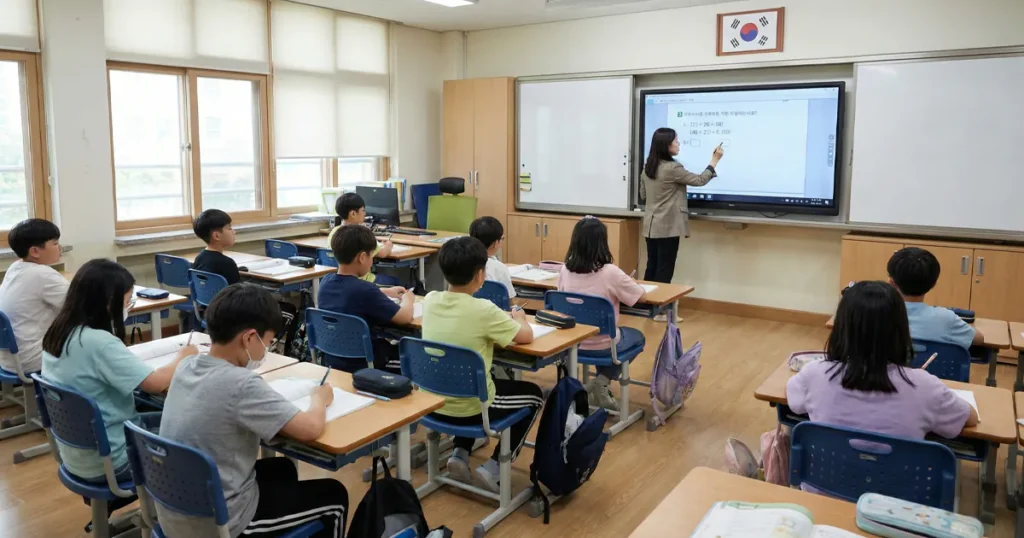
The instructional system in Korean elementary schools is highly structured. Subjects like Korean, Math, English, and Science are clearly separated. Each class lasts exactly 40 minutes, followed by a strictly enforced 10-minute break.
What stands out most in Korean classrooms is the fixed timetable. Unlike the flexible or rotating schedules common in the U.S. or Canada, once the schedule is set at the beginning of the school year, it does not change. Children arrive at school knowing exactly what they will be studying throughout the day. This consistency plays a major role in building study habits. By fourth grade, when the academic content becomes noticeably more demanding, maintaining focus for those 40 minutes becomes a central part of a student’s daily life.
Step 3: The most anticipated moment — K-School Lunch 🍱

The highlight of the school day is, without question, lunchtime. In Korea, school meals are provided through a universal free lunch system supported by the government. For parents, this means no daily lunch packing and no added expense.
Beyond convenience, the quality is surprisingly high. Meals planned by professional nutritionists include warm rice, soup, meat dishes, and a variety of vegetables every day. On days when seasonal fruit or small desserts are served, my child says the joy of going to school doubles.
Step 4: 1:50 PM dismissal and the Hagwon quest 🎨
Korean elementary students usually finish school around 1:50 PM (a bit later on Thursdays due to an extra class period). Despite this early dismissal, Korean children are often described as busy because of what comes next: hagwon—private after-school academies that many Korean children attend.
In many households, attending after-school academies becomes a natural alternative to studying at home. While many families focus on core subjects like Korean, English, and Math, I chose to prioritize my child’s preferences and filled the schedule with extracurricular activities.

- Art class: twice a week — 130,000 KRW (approx. $95 USD) per month
- Swimming: once a week — 130,000 KRW (approx. $95 USD) per month
- Coding: once a week — 28,840 KRW (approx. $21 USD), via the school’s after-school program
These activities create a tightly packed afternoon. Even so, compared to families with strong academic pressure, our routine is considered fairly relaxed.
Step 5: Returning home and becoming a child again 🏠
Once all academy schedules are finished and we return home around sunset, my child’s real rest finally begins. After dinner, they read a favorite book in the living room or excitedly share small stories from school and after-school classes.
No matter how busy the day was outside, at home they return to being an ordinary 11-year-old—playing, laughing, and spending time with family. Watching my child, who spent the entire day learning about the world, prepare for sleep is the moment I feel the greatest sense of relief as a parent.
🏁 Conclusion: Every parent’s heart is the same
Life in Korea includes the 8:00 AM wake-up battle, managing after-school schedules, and quietly cheering for a child’s growth. While educational systems and daily routines may differ, isn’t the hope for children to grow up healthy and happy universal?
As I watch my child run toward the school just five minutes away, I try to find small moments of happiness and meaningful growth within this busy Korean environment.What do fourth graders in your country usually do after school? Feel free to share in the comments—I’d love to compare routines or answer any questions you might have about the Korean education system.