
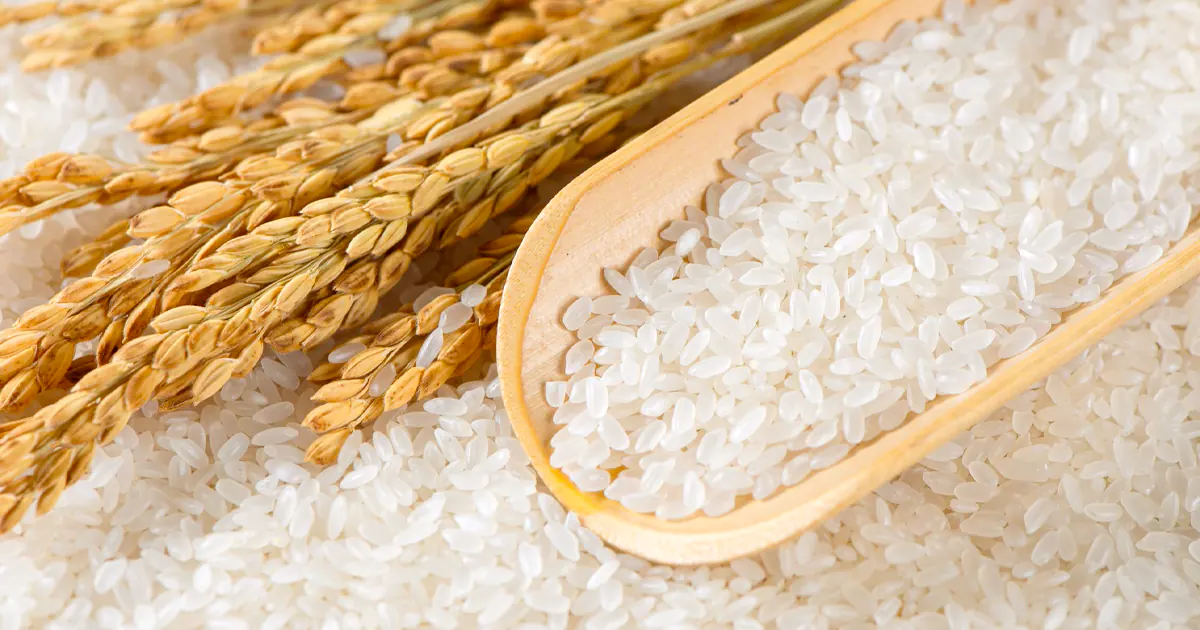
In Korea, asking “Have you eaten?” is far more than a simple question about food. It is a quiet gesture of care—a way of checking whether someone has made it through the day—and a fundamental expression of affection. On a Korean dining table, rice is more than a staple. It represents comfort and stability, a reliable source of everyday strength. Today, we explore why rice holds such a powerful place in Korean life—through history and daily culture alike.
1. A Symbol of Status and a Declaration of Resilience 🍚
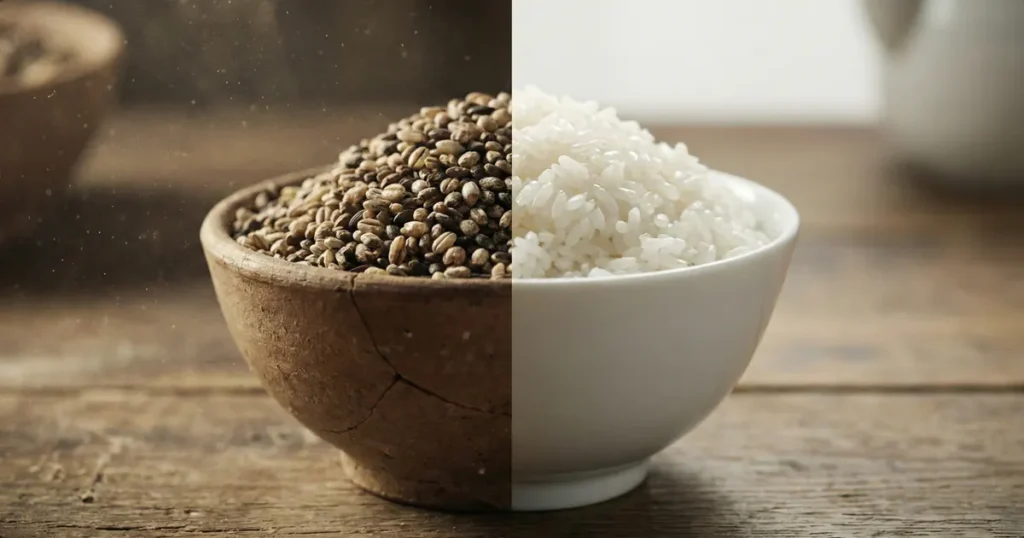
During the Joseon Dynasty, white rice was a luxury few could afford. While the upper class consumed refined white rice, most commoners mixed it with barley or other grains. As a result, white rice became a clear marker of social rank and economic security. Yet its symbolic meaning did not end with the dynasty.
Decades later, well into the 1950s and 1960s following the Korean War, white rice remained scarce. The term borigogae referred to the annual spring period of food shortage—often translated as the “barley hump”—when the previous year’s grain had run out but the new barley harvest had not yet arrived. When people began saying, “We can finally eat white rice now” during the rapid economic growth of the 1970s, it was more than a comment on diet. It signaled that poverty had finally been overcome.
White rice shifted from a marker of hierarchy to a symbol of resilience. Even as society transformed, it remained the quiet standard by which abundance was measured.
2. The Science and History Behind the Perfect Grain 🌾
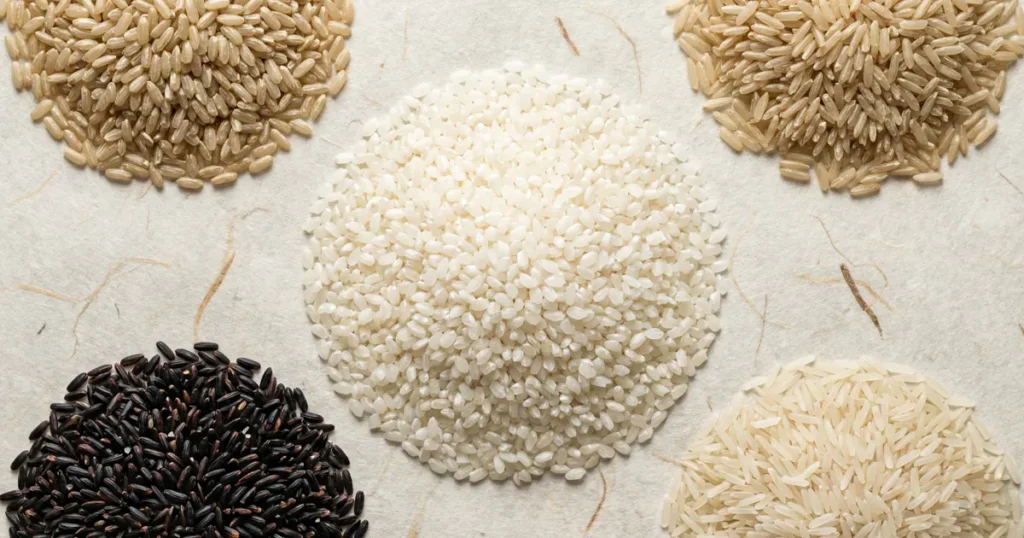
Although many countries rely on rice as a staple, preferred varieties differ significantly. Unlike long-grain Indica rice commonly eaten in Southeast Asia and India—which cooks up light and separate—Korea favors short-grain, sticky Japonica rice. Grains that glisten and gently cling together define what Koreans consider “good rice.”
The dominance of certain varieties, however, cannot be explained by taste alone. During the Japanese colonial period, Korea’s agricultural system was reorganized to serve Japan’s food demands, leading to the large-scale introduction of Japanese Japonica varieties. This was not a matter of culinary preference but the result of colonial agricultural policy.
After liberation and war, national survival depended on immediate food self-sufficiency. Japanese varieties were already well established in farming methods and yield, so they continued to be cultivated. Over time, certain variety names even acquired a premium image—a legacy shaped not by taste, but by history.
Today, that landscape is changing. Rice varieties developed specifically for Korea’s climate and soil are rapidly gaining ground. Varieties such as Shindongjin and Golden Queen—created through Korean agricultural research—are meticulously bred not only for productivity, but also for texture, aroma, and sweetness, meeting the exacting standards of Korean taste. The definition of “good rice” is now increasingly shaped by domestic innovation rather than imported labels.
3. Spoons Over Chopsticks: A Deeply Rooted Dining Tradition 🥄
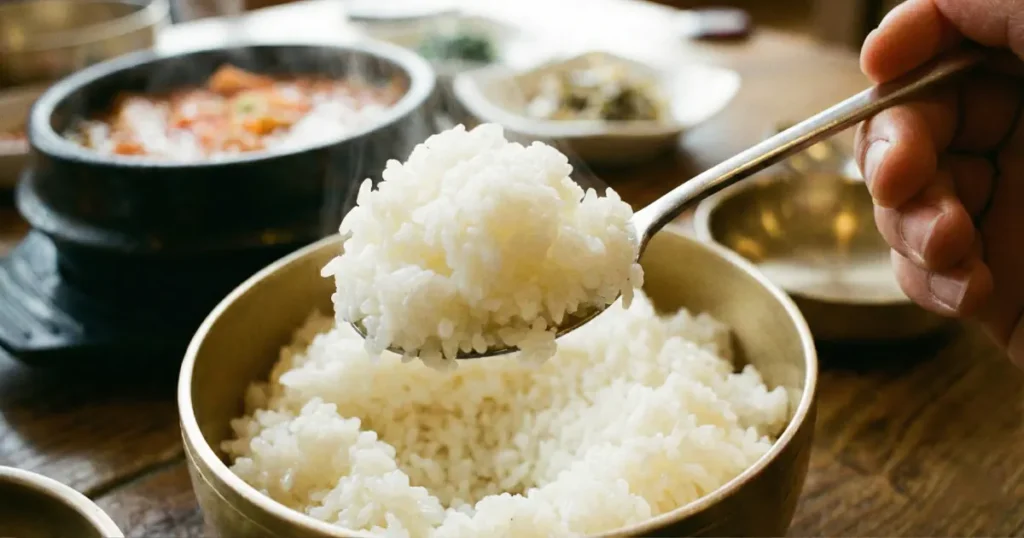
Among rice-eating cultures, it is surprisingly rare to find one that primarily uses a spoon. In Japan or China, rice bowls are often lifted close to the mouth and eaten with chopsticks. In Korea, by contrast, the bowl remains on the table, and the spoon takes center stage.
Archaeological discoveries from the Three Kingdoms period—including metal spoons excavated from royal tombs—suggest that spoon-based dining has deep historical roots in Korea. This tradition is closely connected to the country’s soup-centered cuisine. Mixing rice into soup or alternating spoonfuls of rice and broth naturally calls for a spoon.
Feeling the weight of rice in a spoon brings a tangible sense of comfort and fullness—an essential element of the Korean dining experience.
🏁 Conclusion: History Contained Within a Single Bowl
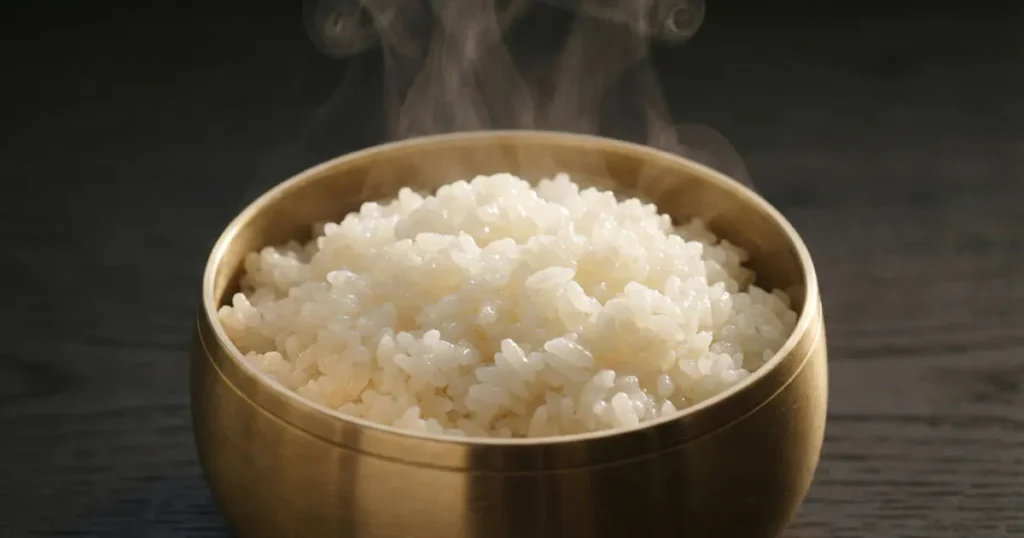
Rice is one of the deepest roots of Korean identity. From its past as a symbol of status to its present as a product of advanced agricultural engineering, it has remained central to the nation’s story.
Even as per capita rice consumption declines, the word Bapsim—the “power of rice”—remains deeply embedded in everyday language.
The bowl of rice we eat each day carries more history than we might realize. Experience the steady comfort of freshly cooked white rice—without elaborate seasonings or extravagant side dishes—and it becomes clear why Koreans invest such meaning in every grain. Tonight may be a chance to pause and reflect on the long history and quiet devotion contained within that simple bowl.