
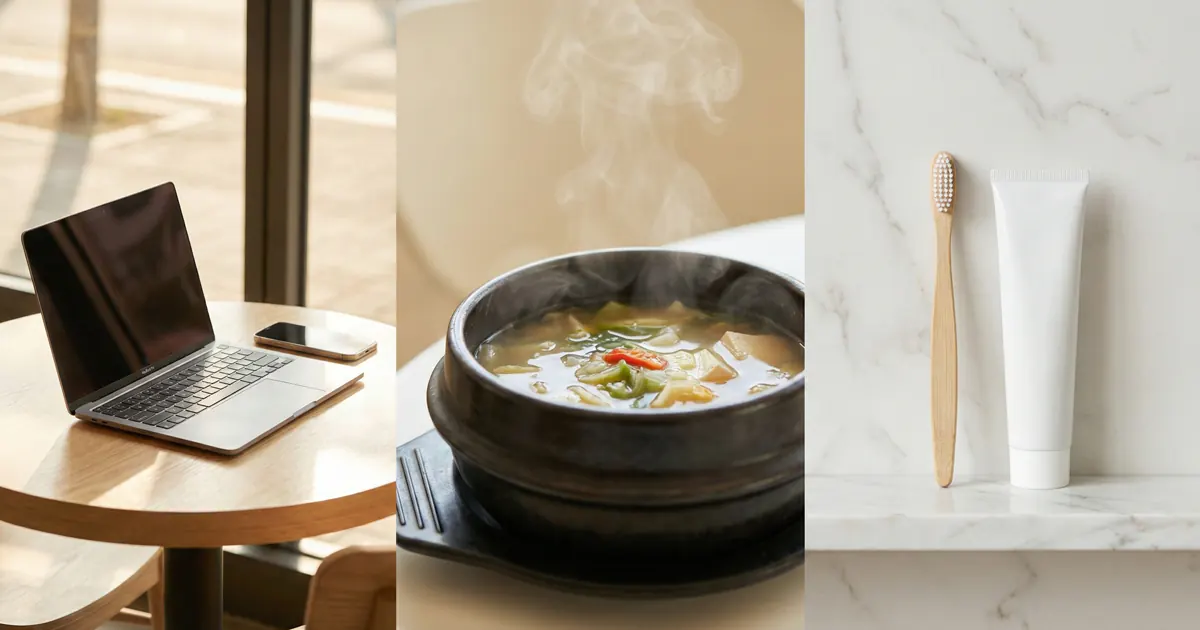
For first-time visitors to Korea, there are moments that can feel genuinely bewildering. What feels like a perfectly normal daily routine for Koreans can often be a shocking mystery to outsiders. Today, we are diving into four unique and fascinating Korean behaviors that are full of character.
1. “How Old Are You?” The Initial Background Check 🎂

In Korea, one of the first questions you might hear—often right after your name—is about your age. While this might feel intrusive or even rude in Western cultures, in Korea, it is actually a vital step in preparing for polite communication.
Data Collection for Setting the Relationship
The Korean language has a sophisticated system of honorifics and casual speech. One needs to know the other person’s age to determine which verb endings to use and how to address them properly. Rather than mere curiosity, this is the first step in establishing a “Korean-style order” to show the appropriate level of respect to the other party.
2. “Ah, So Cool!” The Paradox of Boiling Soup 🥣
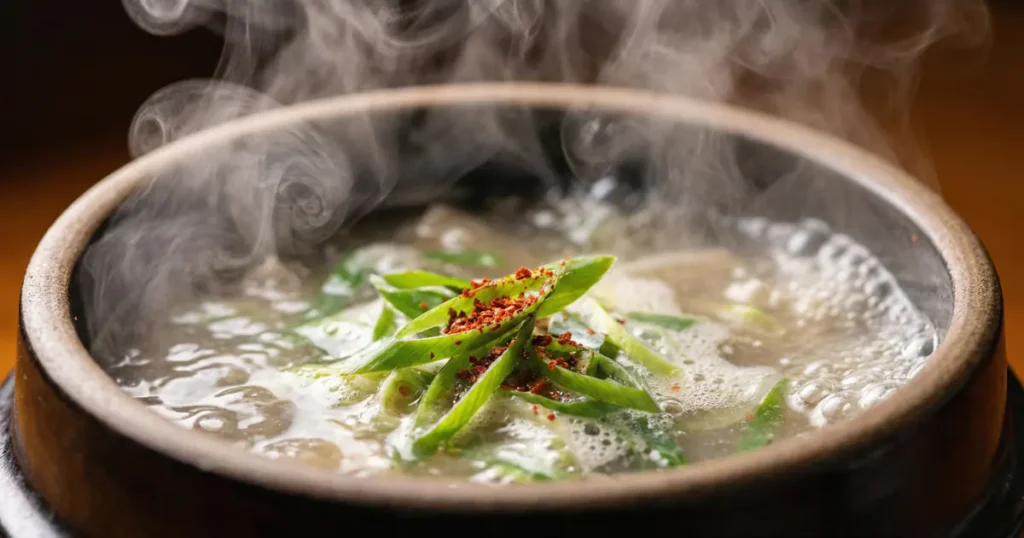
Have you ever seen a Korean person take a big spoonful of boiling soup and exclaim, “Ah, it’s so cool!” (siwon-hada)? To foreign ears, this sounds completely contradictory. How can something that is nearly 100°C be described as cool?
Emotional Relief Rather Than Physical Temperature
The key is that this “cool” has nothing to do with temperature—and nothing to do with being stylish, either. In Korean, siwon-hada doesn’t describe how hot or cold something feels on the tongue. It describes what happens after you eat it: the moment your chest feels lighter, your stomach settles, and the tension in your body eases. The soup is hot—sometimes painfully so—but the effect it has on your body feels relieving, cleansing, almost clearing from the inside out. That sensation is what Koreans call siwon-hada.
English doesn’t really have a single word for this feeling. Instead of labeling it as “cool,” English speakers describe the reaction: “Ah… that hits the spot,” “I needed that,” or “You can feel it go straight through you.” So when a Korean says a boiling soup is “cool,” they aren’t denying the heat. They’re talking about relief.
3. “Is This a Dentist’s Office?” The Public Brushing Parade 🦷
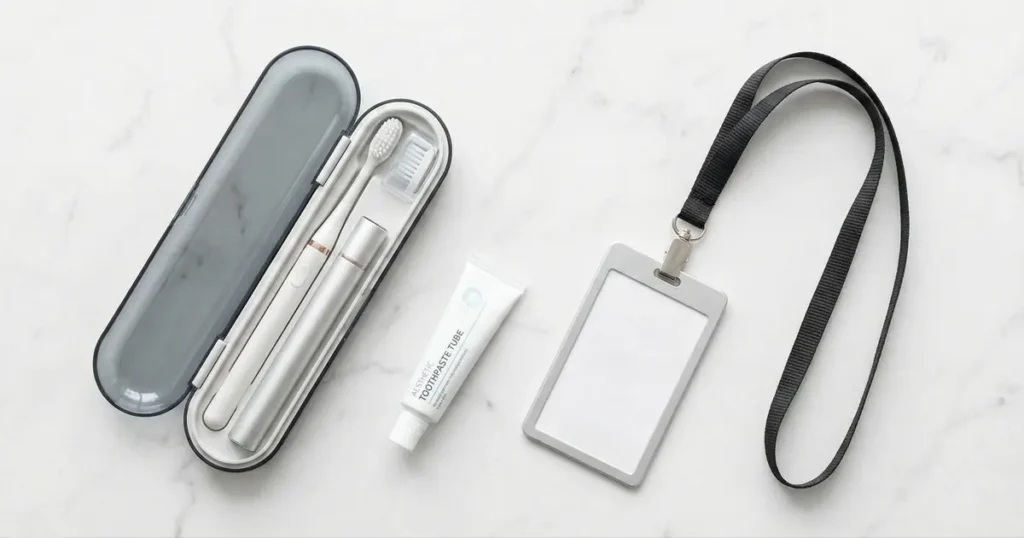
Right after lunchtime, if you visit the restroom of an office building or a large shopping mall, you will witness a quite unusual sight. Dozens of people are lined up at the sinks, brushing their teeth with extreme passion. Since brushing is often considered a private act in many other countries, this collective public grooming can be very surprising.
A Practical Habit to Avoid Embarrassment
Koreans love ingredients with strong flavors, such as garlic, green onions, and red pepper flakes. Brushing immediately after a meal is a practical way to prevent those awkward moments—like having a stray pepper flake stuck in your teeth when you smile or breathing garlic scents during a meeting. It reflects a uniquely Korean attitude where public restrooms are treated as multi-purpose spaces for hygiene and self-presentation.
4. “Will It Still Be There?” The Great Cafe Trust 💻
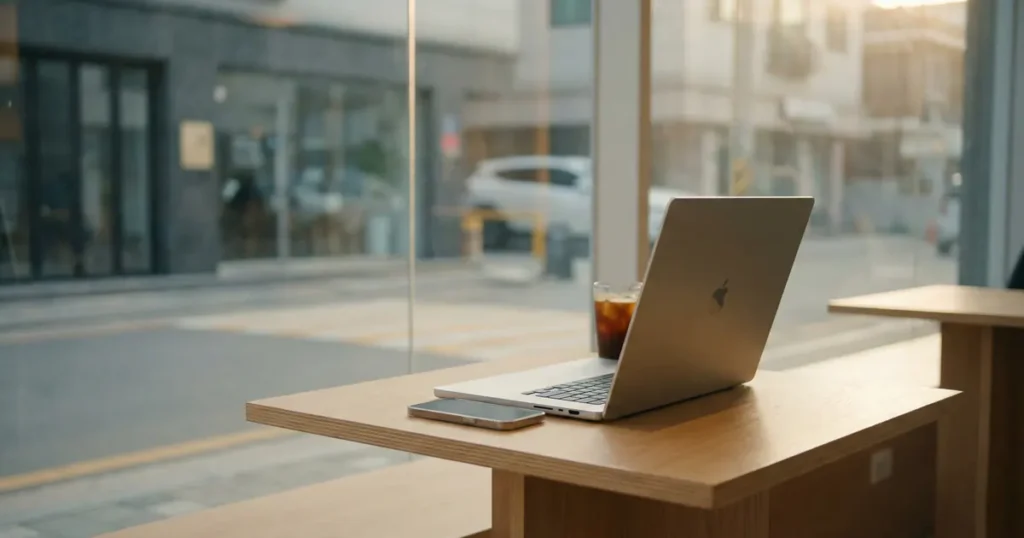
When going to the restroom or ordering at a counter in a cafe, Koreans often leave their wallets, latest laptops, and smartphones right on the table. Instead of worrying about theft, they use their expensive devices as a way to “save” their spot. For those from countries with different security concerns, this can look like a scene from a thriller.
Peace Created by an Obsession with Space
In reality, what Koreans are most protective of in a cafe is not the laptop, but the “seat.” Since securing a prime spot with a nearby power outlet is the top priority, the laptop simply serves as a flag to announce that the territory is taken. Growing up educated never to touch others’ belongings, Koreans are generally more afraid of losing their precious seat while they are away than they are of having their belongings stolen.
🏁 Conclusion: First Surprised, Then Charmed
From naturally asking about age and calling hot soup “refreshing,” to the post-lunch brushing ritual and the strategic placement of laptops in cafes—these are habits so ingrained in Korean life that they rarely require explanation. Yet, from an outside perspective, they certainly invite a lot of questions.
However, maybe those questions do not always need a perfect answer. Sometimes, it is enough to simply accept it as “the way things are done here.” If you encounter these scenes while traveling through Korea, do not be flustered; just give a little smile. In that moment, you are already standing right in the middle of everyday life in Korea.